What is Virus
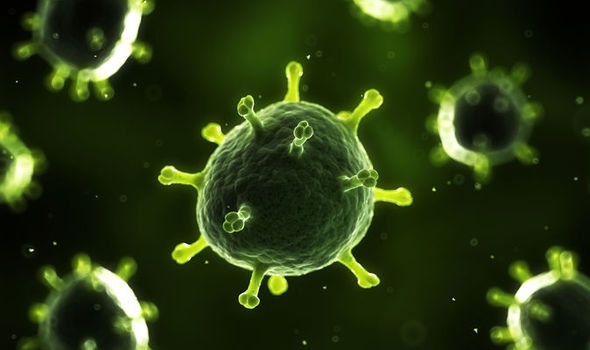
Viruses cannot function without their hosts. They cannot synthesize proteins without essential ingredients from their host cells, and they can neither generate nor store energy on their own. In fact, viruses depend on host cells for all their metabolic function.
Some scientists decline to count virus among living organisms, since they cannot survive on their own and cannot reproduce outside of a host cell. Not usually counted among plants animals, or prokaryotic bacteria viruses are instead classified in a group of their own.
What viruses can do however is infect or cause disease? Fortunately the immune system of most animal species can fend off infection from many kind of viruses. Antibiotics cannot cure viral illnesses, but vaccines can prevent them, and many widespread life threatening viral outbreaks, such as smallpox, have been controlled or eliminated with vaccines.
Window To News