Beginning of the end of plastic era?
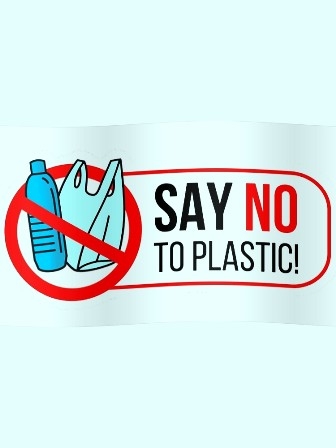
OCT 05 (WTN) – From October 2, on the call of PM Narendra Modi, a complete ban on single-use plastics has been implemented across the country. The unique thing about the initiative is that people have themselves responded enthusiastically to the call, voluntarily dumping such plastics. No doubt, ending plastic use is the need of the hour given the damage they are causing to our land and water.
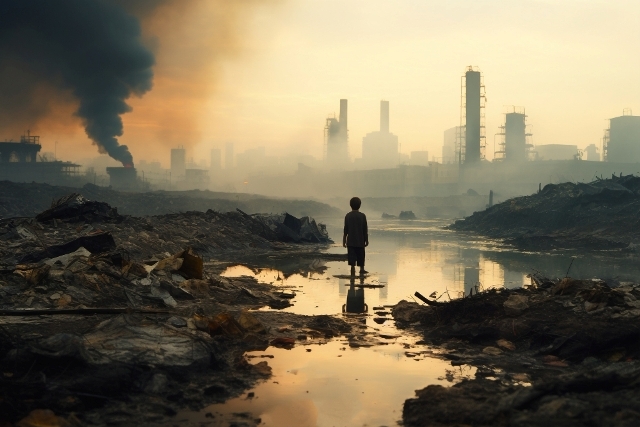
About 70 per cent of the plastic the country consumes is simply discarded with no processing of waste in most Indian cities. India is home to vast trash mountains piled on the outskirts of major cities, with huge quantities ending up in the rivers. Modi has been targeting environment for long and environment-friendly measures have always featured on top of the government’s priority list.
In June 2018 also Modi had called for a crackdown on plastic pollution saying India would eliminate single use plastic by 2022. Plastic use is growing by leaps and bounds in our society. Apart from plastic carry bags and disposables, there are a number of other plastic goods, including those of daily necessity, which are equally harmful to environment, but there is no effective ban on their use, import or production. Many of these contain chemicals detrimental for soil health and vegetation and are non- biodegradable.
They break down into nanoparticle and seep into the ground water which we consume. A 2017 study found 83 per cent of tap water samples from various parts of the world containing plastic pollutants. With a contamination rate of 94 per cent, tap water in the US was the most polluted, followed by Lebanon and India. Water with toxic plastic contents effect our hormones and is carcinogenic if used for long. They can’t even be burnt safely, because they release toxins which are deadly for the lungs.
Ending up in the oceans, the plastic residues choke aquatic life. Around 6-7 million metric tons of plastic garbage ends up in the world’s oceans. Over 350 million tons of plastics are produced worldwide every year and hardly 8-10 per cent is recycled. Though it is a global problem, for India it has greater implications, because the country has a huge population, and plastic comes as the cheapest option of versatile and durable use for the multitudes.
Lack of awareness further promotes the excessive use of the material and their reckless disposal. Even in remote forest resorts we find bottled water, juice packs, smart phones, computers, toys, wirings, the sitting chair, the bathroom slipper – all made of plastic. We have become so dependent on plastics that we don’t look around and explore other possibilities. We think of the price, the practicality, the easy availability, but who will think of the environment?
There are some essential things which cannot do without plastic or some form of it, but there are also many things where plastic use can be stopped by a little innovation or at the cost of some little inconvenience! Do we do that? Governments and law courts can guide, suggest and even punish if caught disobeying, but they cannot inculcate a belief if we are not receptive enough and eager to cooperate for a cause.
We need to be conscious of our actions and make judicious choices. We can easily dump that plastic carry bag and use a jute bag that is environment friendly. The beginnings have been made. Several businesses are shifting to a non-plastic base and several state governments have started discouraging the use of plastics in government events. But the problem is we have started off late and much of the damage is already done. This is why we need to pep up our efforts to end our dependence on plastics.
Globally every government and citizens themselves are taking conscious efforts to minimize plastic use and India cannot stay behind. The government, apart from launching regular awareness campaigns, needs to facilitate the easy and cheap availability of recyclable and environment-friendly substitutes. It should discourage the establishment of plastic factories and incentivize those producing eco-friendly materials.
The government also needs to arrange for door-to-door collection of plastic waste or set up collection kiosks at city squares so that they can be scientifically treated before people dump them here and there. We need to save our animals and birds, soil and water, because this is the only way to save ourselves. The PM’s words shouldn’t just encourage us to do better, but also be reckoned as a warning bell for the catastrophic times we are staring at, unwittingly by our own actions.