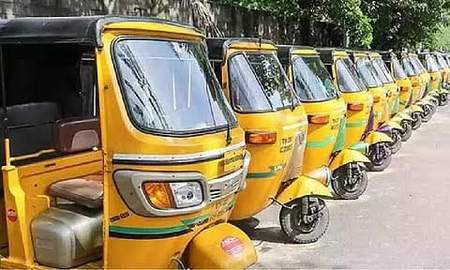
New Delhi April 18 (IANS) The top four Indian cities are today 149 per cent more congested than comparable cities in Asia and the country is losing over $22 billion a year in peak traffic hours compared to travel time during non-peak hours in those cities an Uber-commissioned study revealed on Wednesday.
On average commuters in Delhi Mumbai Bengaluru and Kolkata are taking 1.5 times longer to travel a given distance and ridesharing or shared mobility is the only solution to get rid of the traffic menace said the study titled "Unlocking Cities: The impact of ridesharing across India" by the Boston Consulting Group (BCG).
"We continue to be at the forefront when it comes to unlocking the true potential of ridesharing for India. Through this study we are hoping to draw the attention of administrators and urban planners on how shared cars and mobility can be part of the solution vs individual car ownership " Amit Jain President Uber India and South Asia told reporters here.
According to the BCG survey up to 89 per cent of people plan to buy a new car in the next five years.
However over 79 per cent would refrain from buying a car if ridesharing matches car ownership for affordability and convenience it added.
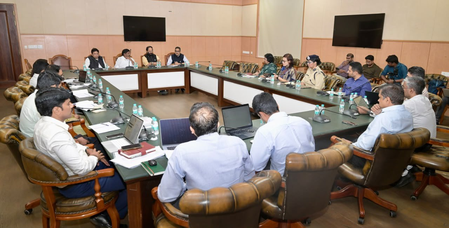
The study was launched in the presence of Uber s Global COO Barney Harford Suresh Subudhi Partner BCG and Ann Lavin Senior Director Public Policy and Government Relations Uber APAC.
"If car ownership trends continue Indian cities risk coming to a complete standstill in only a few years " said Harford.
"Ridesharing can be part of the solution to traffic congestion because it uses technology to get more people into fewer cars. We can unlock our cities and their full potential but we have to do it together " he added.
In these circumstances ridesharing would reduce private cars by 33-68 per cent.
By reducing private cars increasing vehicle utilisation improving public transport adoption and optimising infrastructure planning ridesharing could reduce congestion by 17-31 per cent the findings showed.
"In the coming months we will introduce several India-first innovations that will help bring the benefits of ridesharing to many more Indians and enable us to work with the government towards a common goal: reduce private car ownership and expand access to public transit systems " Jain noted.
Overall travel by public transport accounts for 19 per cent and 54 per cent of kms travelled in Delhi and Mumbai respectively.
On average 25 per cent of the private car owners surveyed in Delhi and Mumbai expressed a keen interest in becoming rideshare drivers.
"On-demand ride sharing is a practical way to reduce the number of private vehicles on the road and reduce congestion. It is important to encourage this proactively " said Suresh Subudhi Global Sector Head -- Infrastructure and Transport BCG.
--IANS
na/vm